


After Wildfire: Livestock Care, Documentation, and Recovery for Nebraska Cattle Operations
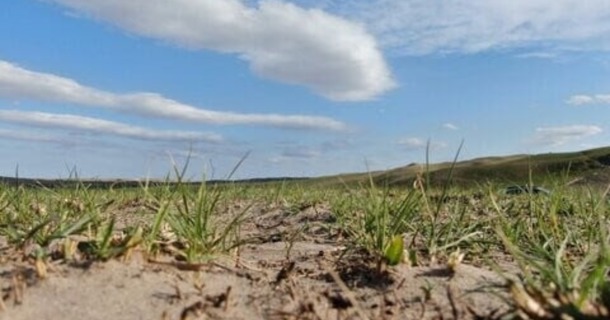
Lincoln, Neb., March 17, 2026 —Recent wildfires in Nebraska have left many cattle operations facing urgent management decisions. Once humans are safe, producers should focus on three priorities: stabilizing livestock through health checks and access to clean water and feed, documenting losses and engaging with insurers and/or assistance programs, and developing a grazing recovery plan that protects rangeland health going into the next grazing season.
Cattle Care
Cattle should not be allowed back into recently burned areas. Ashes, smoldering fence lines, hay piles, and hot spots can cause significant injury to hooves and soft tissues.
If producers evacuated before all livestock were accounted for, make sure neighbors or first responders know where animals may be. In addition to brands, temporary identification such as paint or chalk marks, can help reconnect animals with owners later.
Plan to evaluate livestock multiple times over the coming days and weeks. Burn-related hoof damage, in particular, may take time to show up.
As you assess cattle, take time to examine the areas most vulnerable to heat and smoke damage:
Hooves, udders, sheaths, and testicles for burns or swelling
Eyes and muzzle for soot, abrasions, or ulceration
Respiratory signs such as coughing or rapid breathing
On days when smoke drifts across the area, avoid working or exerting cattle unnecessarily. Respiratory irritation from smoke can worsen with handling.
Cows in late gestation and pairs may need extra monitoring. Post-fire stress can weaken maternal behavior or reduce milk production. Burned or singed udders may prevent calves from nursing.
Consult your veterinarian early for burn treatment, pain management, antibiotics if needed, and guidance about which animals are likely to recover. In some cases, humane euthanasia may be the best choice. Severely injured animals may also be unable to move safely or may not be accepted at packing plants, so evaluate transport options carefully.
Water and Short-Term Nutrition
Water access is critical. Displaced and stressed cattle often require more water. Animals that have gone without may overdrink when water becomes available again. When possible, cattle that have been without water for more than a day should be slowly adapted back to water by providing them with access to small amounts of water every half hour (3-5 gallons for cows and bulls, 1-2 gallons for growing cattle) until the cattle are no longer thirsty. Offering clean water from several access points helps avoid crowding and reduces digestive issues linked to sudden intake.
Forage losses may require temporary feeding support. Having forage available maintains rumen health. However, if no forage is available, a low-protein (12-14% CP), low starch (8-12% crude fiber) commercial feed product can be used for 4-5 days to minimize weight loss until hay and/or grazing can be secured. If hay supplies have to be stretched, a combination of limit feeding hay and feeding a 28-32% range cube may help maintain body condition. Consult a nutritionist or your local Nebraska Extension Livestock Educator for help with developing a feeding plan in these scenarios.
Documentation and Working With Insurance and Assistance Programs
Before moving carcasses or starting repairs, take clear, date stamped photos of carcasses or injured animals; damaged fences, tanks, and infrastructure; and burned hay or feed.
Record tag numbers, brands, and locations where possible. Contact your insurance provider early for instructions.
Carcasses should be handled according to state approved disposal methods. Nebraska Statute §54-2946 limits disposal to burial, incineration, composting, rendering, or land filling. Timing of disposal often depends on insurance and regulatory guidance. Follow local directives closely and take steps to prevent contamination around disposal sites or damaged feed areas.
Producers may qualify for several USDA programs, but it’s important to contact the local Farm Service Agency (FSA) office promptly. These programs can help with livestock mortality, water and feed transport, and grazing losses. Coordinate any fencing or grazing changes with the FSA and the Natural Resource Conservation Service (NRCS) beforehand to ensure documentation and eligibility requirements are met. To locate your local USDA Service Center, visit https://www.farmers.gov/working-with-us/service-center-locator
Keep veterinary statements and sale receipts for animals that decline or die in the weeks following the wildfire, as these may still qualify for compensation if linked to the event.
Burned pastures need time to recover. Plan for deferred or rested grazing and reevaluate stocking rates as you track regrowth through spring and early summer. Infrastructure such as fences, tanks, and pipelines should be inspected and repaired before turnout. Temporary fencing can help keep cattle away from sensitive areas undergoing recovery.
The stress of wildfire recovery shouldn’t be overlooked. The Nebraska Rural Response Hotline (800-464-0258) provides confidential support for emotional, financial, and legal concerns associated with disasters.
Sources
March 17 Webinar, Confinement Feeding Cow-Calf Pairs in the Face of Limited Perennial Grass Options, 6:30 PM MDT, sign up to watch and/or receive the recording at https://pears.io/events/nebraskaextension/4863/
Nebraska Dept. of Ag. Fire Response Resources: https://nda.nebraska.gov/disasterresources
Nebraska Extension Livestock Disaster Education, https://disaster.unl.edu/agriculture/livestock/
Cattle surviving the devastating Texas Panhandle wildfires need immediate care, Texas A&M AgriLife, https://agrilifetoday.tamu.edu/2024/02/28/cattle-surviving-the-devastating-texas-panhandle-wildfires-need-immediate-care/
Emergency cattle nutrition strategies after a wildfire, https://extension.okstate.edu/articles/2024/emergency-cattle-nutrition.html
Prep4AgThreats, https://www.prep4agthreats.org/Natural-Disasters/wildfires-and-livestock
Managing Burned Pastures After a Wildfire- How to Graze, https://beef.unl.edu/managing-burned-pastures-after-wildfire-how-graze/